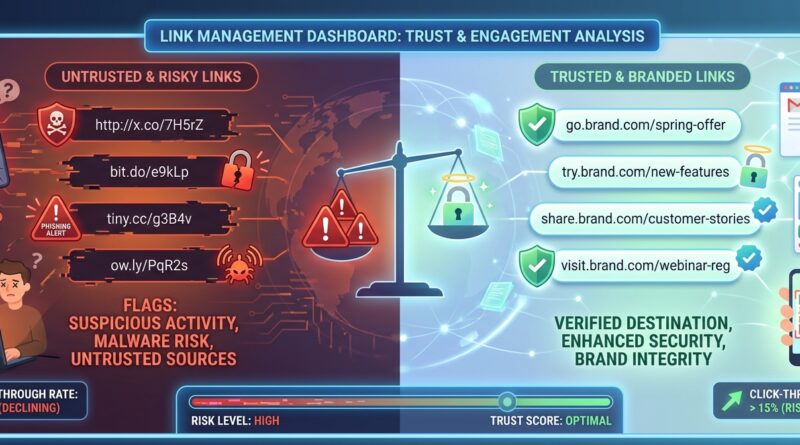
Stop Letting Your Short Links Get You Phished: How To Build ‘Human‑Readable’ URLs People Actually Trust Enough To Click
You did the work to earn the click, then lost it to a sketchy-looking link. That is maddening. People are being trained to distrust anything that looks like a random string of letters, and security tools are doing the same. If your emails, texts, social posts, or ads still point to generic short domains with mystery slugs, a lot of good traffic is getting filtered, ignored, or reported before it ever reaches your page. The fix is not to stop shortening links. It is to make them look like they belong to you and say where they go. Human readable branded short links give people a quick trust signal, help spam filters make better decisions, and still let you track campaigns properly. If you want a phishing safe URL shortener setup for 2026, the goal is simple. Make the link readable, branded, transparent, and boring in the best possible way.
⚡ In a Hurry? Key Takeaways
- Use your own branded short domain and readable slugs, not shared shorteners and random codes.
- Make links say where they go, like yourbrand.co/spring-sale, and keep tracking hidden in the redirect, not the visible slug.
- Clear, trustworthy links are less likely to be flagged by users, inbox filters, and security tools, which means more real clicks.
Why short links suddenly feel risky
Short links used to be mostly about saving space. That was the Twitter era logic. Today, they are a trust test.
Phishers love shorteners because they hide the destination. A shared short domain plus a random slug gives a scammer exactly what they want. A link nobody can judge at a glance. That has trained people to hesitate, and it has trained security products to inspect aggressively.
The problem is that legitimate marketers often use the same patterns. Same kind of short domain. Same messy tracking feel. Same unreadable slug. So your campaign can look suspicious even when it is perfectly safe.
What “human-readable” really means
A human-readable link passes the sniff test in about two seconds.
Someone sees it and thinks, “Yes, that looks like the company I know, and yes, I can tell where it probably goes.”
Good example
go.yourbrand.com/pricing
Bad example
bit.ly/4Kx9QpT
Both can redirect to the same landing page. Only one gives a person enough confidence to click without wondering if they are about to hand their password to a fake login page.
The three parts of a trustworthy short link
1. A branded domain you control
This is the big one. If possible, use a short domain or subdomain tied to your brand. Think go.yourbrand.com, links.yourbrand.com, or a short brand-owned domain.
Why it matters:
- People recognize your name.
- Security tools can build reputation around your domain, instead of lumping you into a crowded shared shortener pool.
- You stay in control if a third-party shortener changes policies, pricing, or domain reputation.
2. A readable slug
The slug is the part after the slash. This should explain the destination in plain language.
Good slugs:
- /demo
- /renewal
- /april-webinar
- /support
Bad slugs:
- /x7Q2Lm
- /offer-2026-final-v2-last-last
- /freegift
Readable does not mean cute. It means obvious.
3. A clear destination match
If the link says /billing, it should go to billing. If it says /event, it should go to the event page. This sounds basic, but mismatched wording is a trust killer. It also triggers user complaints because it feels misleading, even when it is not malicious.
Best practices for a phishing safe URL shortener setup in 2026
Use a dedicated branded domain, not a shared shortener
Shared shorteners carry baggage. If enough bad actors use the same domain, everyone on that domain can suffer. It is a bit like renting office space in a building with a terrible reputation. Even if your office is spotless, visitors are still nervous in the lobby.
A dedicated branded domain separates your reputation from the crowd.
Keep slugs short, readable, and predictable
Your best links should look almost boring:
- go.yourbrand.com/login-help
- go.yourbrand.com/holiday-hours
- go.yourbrand.com/invoice
If it reads like something a real organization would send, that is the point.
Avoid stuffing visible links with tracking junk
You still need attribution. Of course you do. But your visible link should not look like a receipt from a supermarket printer. Put campaign tracking in the redirect destination or in your analytics platform, not in the part people see and judge.
Clean visible link. Rich back-end tracking. That is the sweet spot.
Match the channel and the audience
A text message link may need to be even more obvious than an email link because people are extra cautious on phones. A customer support link should look different from a sales promo link. Context helps trust.
Examples:
- Support SMS: help.yourbrand.com/reset-password
- Marketing email: go.yourbrand.com/summer-upgrade
- Event campaign: events.yourbrand.com/register
Do not use scare words or bait words in slugs
Words like free, urgent, verify, reward, claim, and winner can push a link into the “maybe not” pile very quickly. Sometimes those are perfectly valid words. They are also heavily abused by phishers.
If you can say the same thing more calmly, do it.
Use HTTPS everywhere
This should be automatic now. If your short domain does not have HTTPS set up correctly, fix that before you send a single campaign.
Keep redirects fast and simple
Long redirect chains look messy to security tools and can slow down the user experience. Point the short link to the right destination with as few hops as possible.
Document who can create links
This part gets missed. If everyone on the team can create any short link with any wording, mistakes happen fast. Set naming rules. Approve domains. Limit access. Have a basic review process.
How to name short links so people trust them
Here is a simple formula:
brand domain + plain-language destination + optional campaign label
Examples:
- go.acme.com/pricing
- go.acme.com/upgrade
- go.acme.com/webinar-may
- support.acme.com/account-help
A few practical naming tips:
- Use lowercase for consistency.
- Use hyphens if needed for readability.
- Keep it under about 25 characters when possible.
- Say what the page is, not what you hope people feel.
- Avoid abbreviations unless your audience already knows them.
What marketers often get wrong
They optimize for brevity, not clarity
Saving eight characters is not worth losing trust. We are not paying by the character anymore.
They use one short domain for everything
You can, but it is often smarter to organize by function. Support, events, marketing, and transactional messages can each benefit from their own subdomain structure.
They forget that users are now trained like security analysts
Regular people may not know what DNS is, but they absolutely know when a link “looks weird.” That instinct matters.
They hide too much
The old short-link mindset was “less visible equals cleaner.” In a phishing-heavy world, less visible often equals less trusted.
How to roll this out without breaking your analytics
You do not need to choose between trustworthy links and useful data.
Start with your top campaigns
Pick the email flows, SMS messages, paid ads, and social posts that drive the most traffic. Replace generic shorteners there first.
Map readable slugs to your existing landing pages
You are changing the front door sign, not rebuilding the house. The destination pages can stay the same.
Keep UTM tags behind the redirect
Let the clean short link redirect to the full tracked URL. Users see something simple. Your analytics still get the campaign details.
Monitor deliverability and click-through rates
Watch what happens after the switch. In many cases, cleaner branded links improve both trust and performance. If a specific link underperforms, the wording may be the issue, not the shortener itself.
A quick reality check on security
A human-readable link is not magic. It does not make a bad page safe. It does not replace domain authentication, secure landing pages, proper email setup, or anti-abuse monitoring.
But it does remove a huge, unnecessary trust barrier. It makes your legitimate campaigns look legitimate at the exact moment people are deciding whether to click.
A simple checklist before you send any campaign
- Is the domain clearly yours?
- Does the slug describe the destination plainly?
- Does the wording match the message around it?
- Is HTTPS working?
- Are redirects limited and clean?
- Are tracking details hidden behind the redirect, not cluttering the visible link?
- Would a cautious customer click it without squinting?
At a Glance: Comparison
| Feature/Aspect | Details | Verdict |
|---|---|---|
| Shared shortener vs branded domain | Shared domains are cheap and easy, but they inherit reputation problems from other users. Branded domains build trust and control. | Branded domain wins for trust and deliverability. |
| Random slug vs readable slug | Random codes hide the destination. Readable slugs tell users where they are going in plain language. | Readable slugs are better for clicks and confidence. |
| Visible tracking vs hidden tracking | Long visible parameters look messy and suspicious. Tracking behind the redirect keeps links clean while preserving analytics. | Hide tracking in the redirect whenever possible. |
Conclusion
People are not being picky. They are being careful, and honestly, that is a good thing. URL shorteners are now a frontline phishing vector, so users, inbox providers, and security tools are quick to swat away anything that looks vague or disguised. The good news is that you do not need to give up attribution or campaign measurement to earn trust back. Start using human readable branded short links that clearly show who is sending the click and where it is likely to go. That small change can lower suspicion, improve deliverability, protect your audience, and rescue traffic that would otherwise die in filters or fear. In 2026, the best short link is not the shortest one. It is the one that looks safe enough to click.